How AI is reshaping patent practice, according to practitioners
.png)
How AI is reshaping patent practice, according to the people who practice it
Every conversation about AI and patent law tends to start the same way: with a threat. Someone loses a job. A profession shrinks. A firm cuts corners.
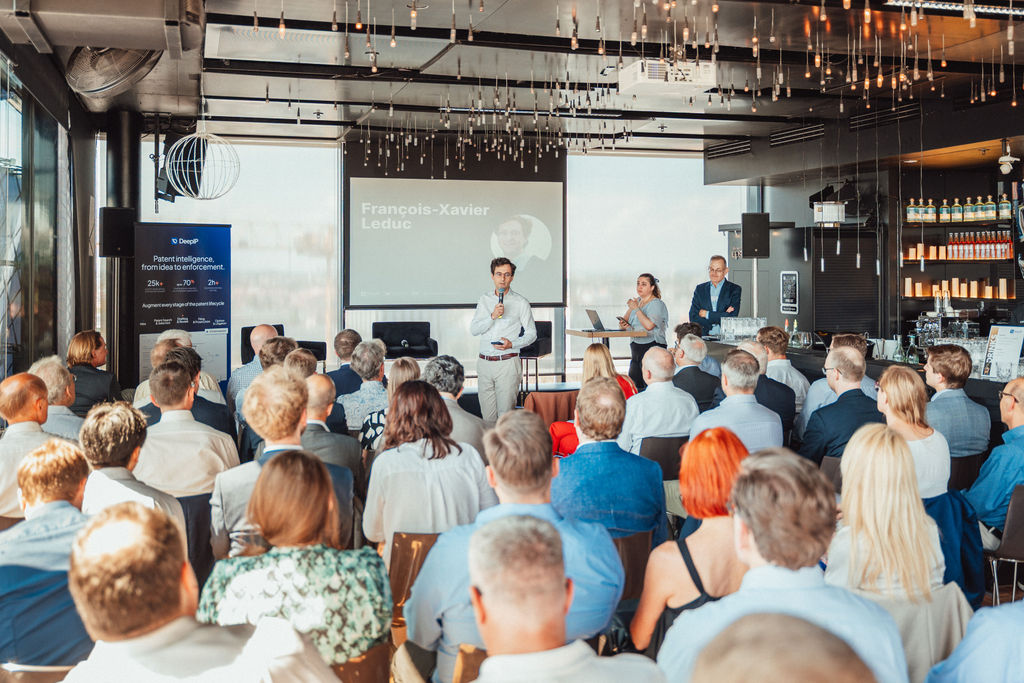
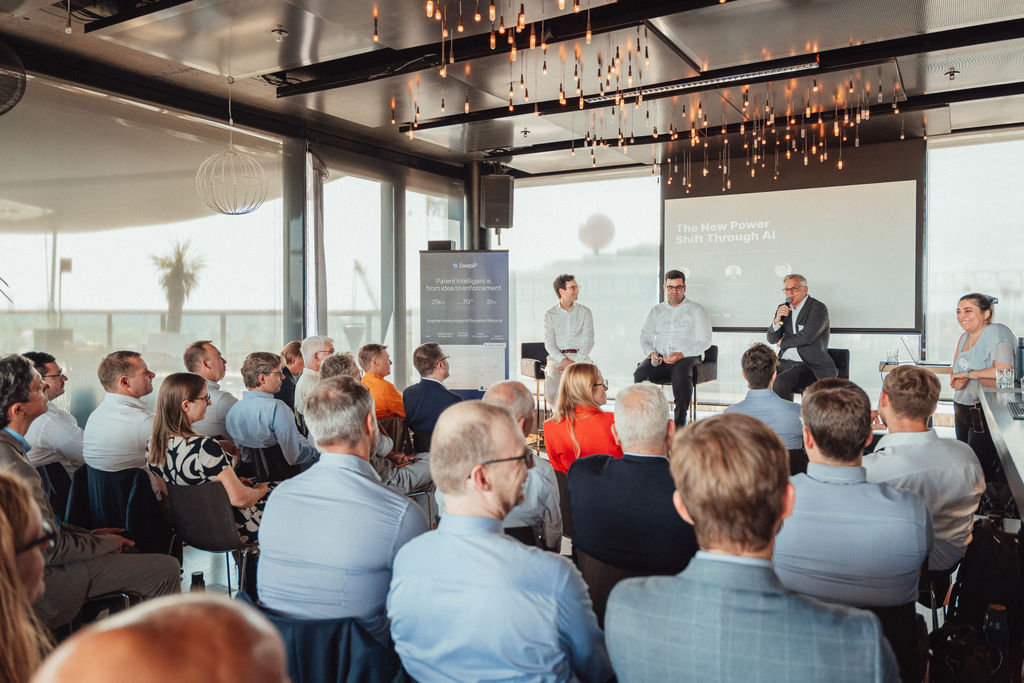
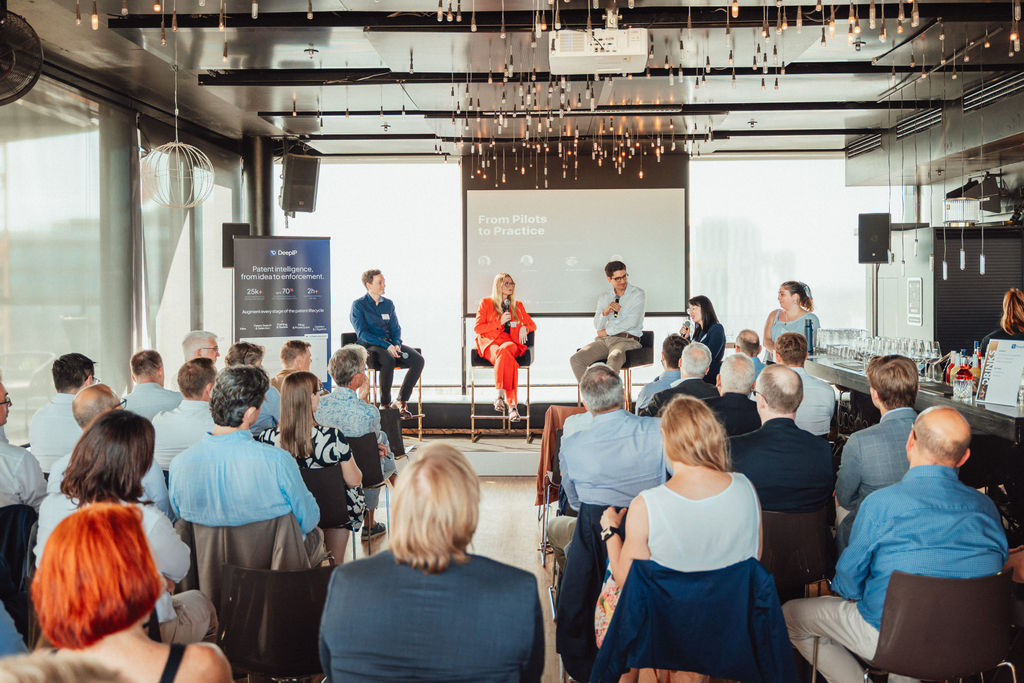
On July 16, on a rooftop above Munich, three panels of practitioners, in-house counsel, and firm partners spent two hours proving that framing wrong. People on stage, independently, kept arriving at the same conclusion.
AI is an opportunity, not a threat
Each panel opened with a different question:
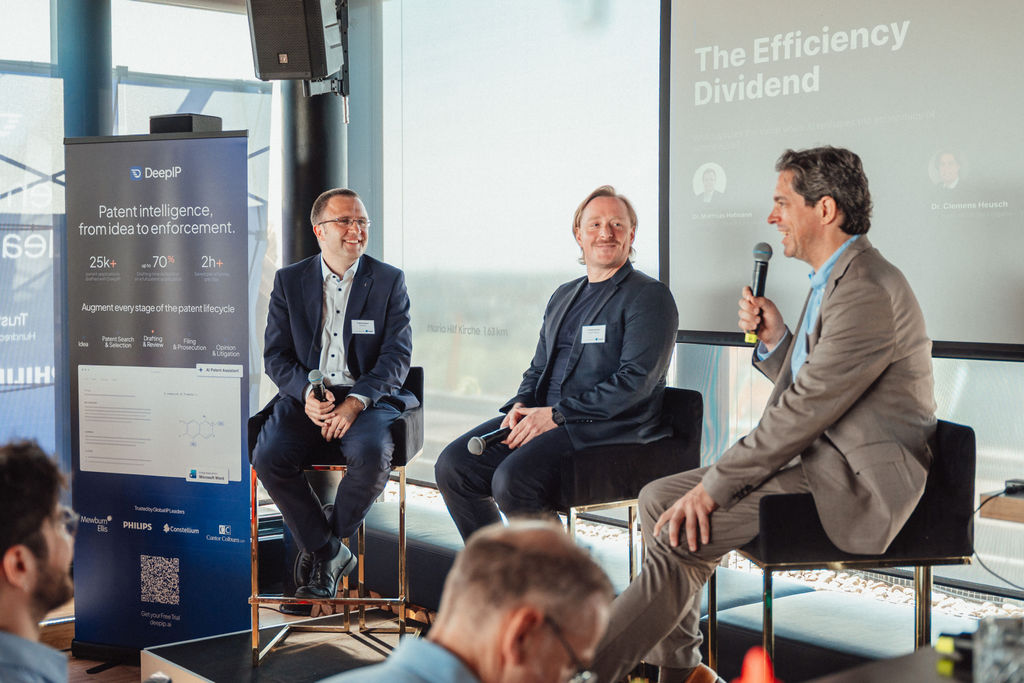
- The first panel explored who captures the value as AI reshapes the financial dynamics of patent prosecution.
- The second panel examined how trust is being redefined between external firms and internal legal teams.
- The third panel addressed the ongoing challenges of AI adoption, even when the underlying technology clearly works.
Three distinct moments, three different perspectives, three different tensions. But if you listened closely to how each panel actually answered, a common answer showed up more than once.
In panel one, a Nokia in-house counsel put it plainly: “AI will not make the profession unnecessary. It will change what the work is, and for many practitioners, that change removes the parts of the job they were never excited about in the first place.”
In panel three, a partner from Plasseraud reached for a much older comparison. Her firm’s first clients were aviation pioneers, more than 120 years ago, at a time when flying itself was unimaginable. AI, she said, is that same kind of opening: something to embrace, not fear.
In his closing remarks, DeepIP co-founder François-Xavier Leduc named the pattern out loud: fears fade the moment people actually start moving.








Most firms still won't say whether they use AI
Three panels, three moderators, seven practitioners: from Nokia, Bardehle Pagenberg, Dormakaba, Boehmert & Boehmert, Infineon, and Plasseraud.
People whose entire job is to be skeptical of overstatement. When a room full of them keeps landing on the same word, opportunity, that carries more weight than any tagline could.
However, transitioning isn’t easy. Across the evening, the same practitioners were candid about what is genuinely difficult. One in-house counsel grouped the law firms that have emerged since AI arrived into three types:
- Firms that refuse to use AI at all
- A few that are transparent with clients about using AI
- The majority, who simply say nothing about their AI use
That gap, more than the technology itself, is what is straining the relationship between firms and their clients right now. Add a billing model built for a different era, and a firm-wide adoption process that a motivated pilot group has already outpaced, and you have the real conversations of the evening.
Cost, trust, and scale stay unresolved
Each of the three panels raised a distinct, specific tension:
- what AI is doing to the economics of patent work,
- what it takes to rebuild trust between firms and clients,
- and why moving from a successful pilot to firm-wide adoption is its own separate challenge.
For now, the takeaway from Munich is simpler than any of that. Go back to the three types of firms: silent, transparent, or simply unclear. That gap is exactly what AI is now putting pressure on. It raises the bar on transparency, and it resets the standard of collaboration between the parties who make a patent portfolio work. Tools are the beginning of that conversation, not the end of it.
As François-Xavier Leduc put it, closing the evening: this is not a technology story. It is a people story, about an industry whose entire purpose is protecting new ideas, finally getting a serious reason to look forward.
.avif)